Mattresses are essential components of quality sleep systems, offering critical support, comfort, and spinal alignment. This category covers a range of innerspring, latex, and hybrid constructions designed to accommodate varying sleep styles, body types, and pressure points. Understanding materials, coil systems, and comfort layers helps identify how each mattress can influence sleep quality and long-term durability.
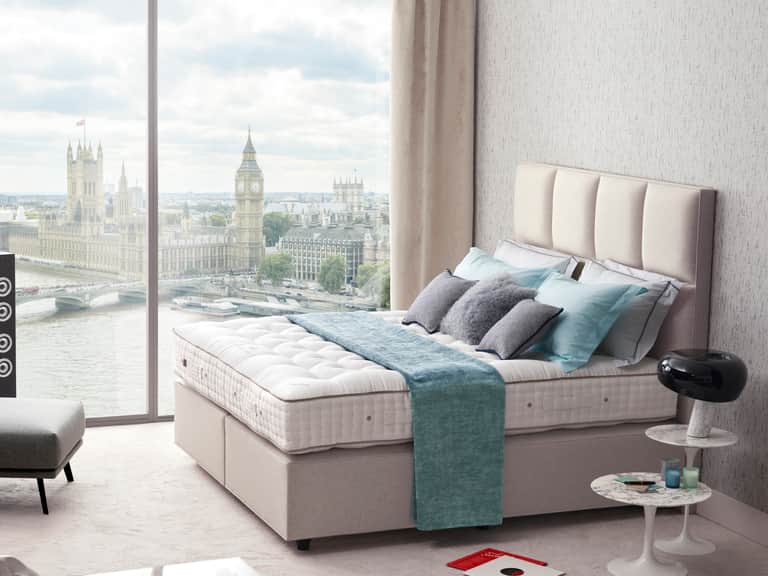
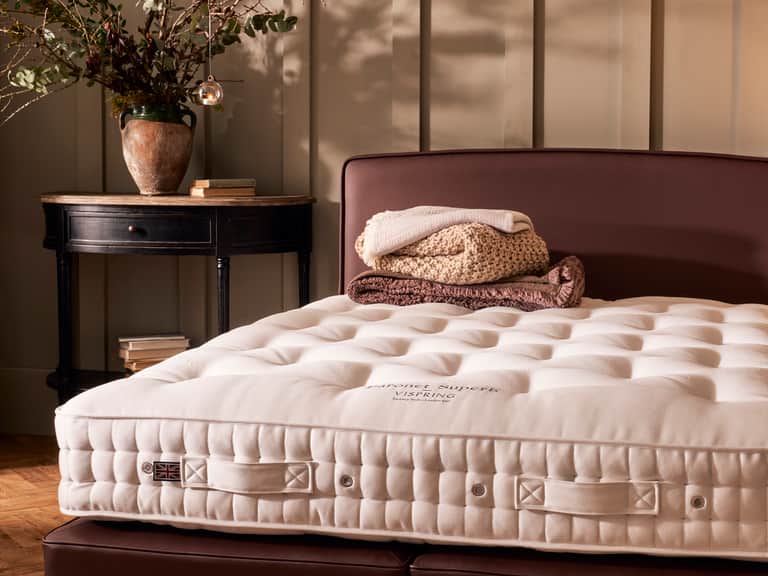
Vispring Baronet Superb Mattress features a premium pocketed coil system paired with natural fillings such as horsetail and wool, providing targeted support and responsive comfort. Its layered comfort profile aims to minimize motion transfer while maintaining a breathable sleep surface, supporting restorative overnight rest for diverse sleepers.
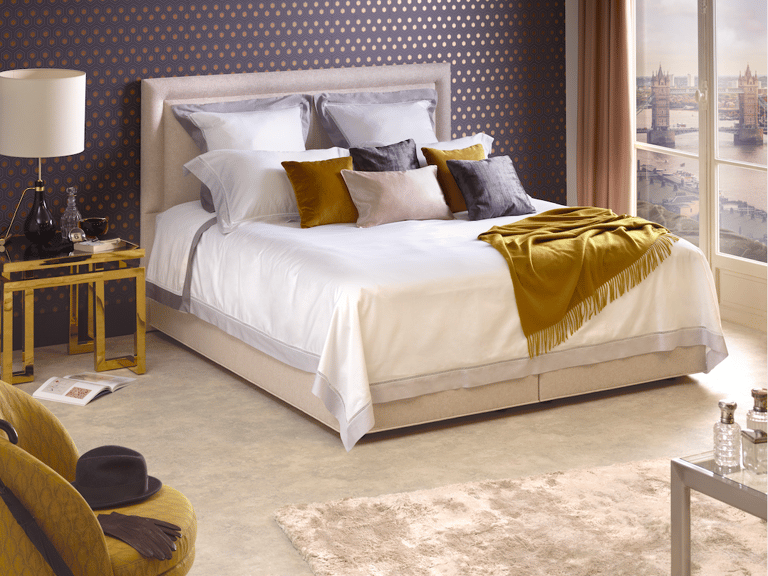
The Vispring Elite Mattress emphasizes traditional craftsmanship with a combination of hand-nested calico pockets and natural fillings. This construction delivers balanced support, long-lasting contouring, and a cool, breathable feel. The mattress is designed to sustain proper spinal alignment across different sleeping positions.
The Vispring Sublime Superb Mattress builds on luxury with deeper cushioning and an enhanced coil structure to distribute weight evenly. Natural materials contribute to a refined, adaptable surface that reduces pressure buildup in hips and shoulders, supporting restful sleep for individuals seeking a plush yet supportive experience.
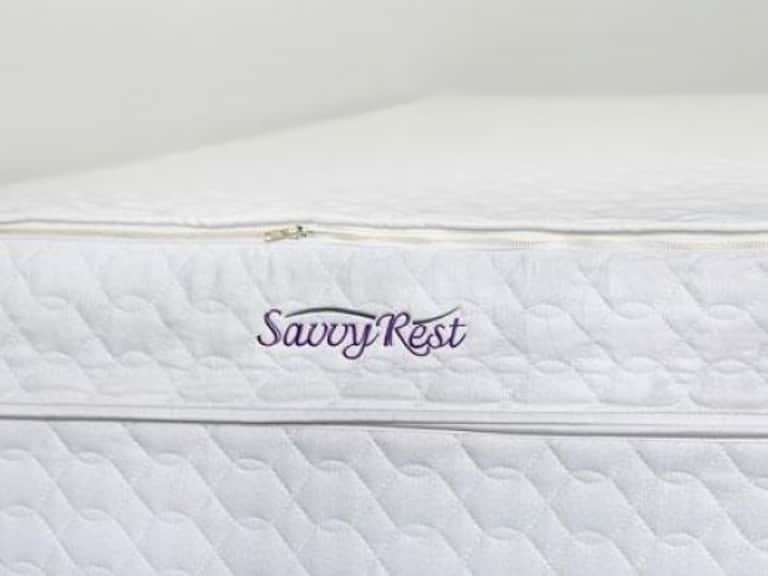
Savvy Rest Tranquility Latex Mattress represents a latex-based option with precision zoning and natural, durable materials. Its latex core offers resilient bounce, even weight distribution, and pronounced contouring without excessive sink. This model suits sleepers who value immediate responsiveness and a breathable, hypoallergenic sleep environment.
 Mattresses